
 Send Inquiry
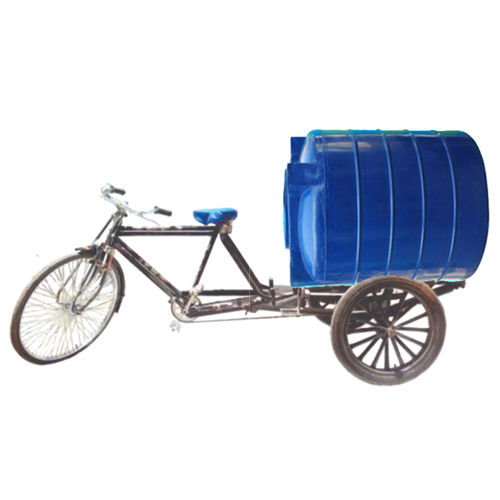
Loading Rickshaw
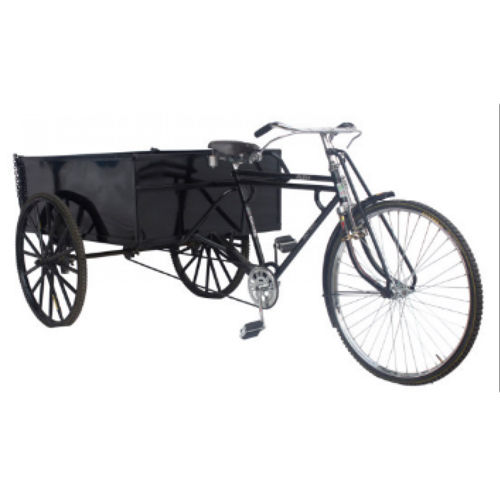

Loading Rickshaw Specification
- Gears
- Single Gear
- Displacement
- --
- Size
- Different Available
- Motor
- No Motor
- Tire Size
- Approximately 2024 inch
- Usage
- Goods Transportation
- Color
- Customized (As per requirement)
- Voltage
- --
- Battery
- No
- Body Type
- Open
- Load Capacity
- 400-700 kg (Approximate)
- Seater
- Single (Driver Only)
- Power
- Human Powered
- Material
- Mild Steel / Iron
- Gross Weight
- Varies by model
- Speed
- Depends on manual effort
- Drive Type
- Manual
- Brake System
- Manual lever-operated
- Number of Wheels
- Three
- Platform Type
- Flatbed with raised sides
- Handle Type
- Straight or U-shaped
- Suspension
- Rigid
- Finishing
- Powder coated or Painted
Loading Rickshaw Trade Information
- Minimum Order Quantity
- 1 Unit
- Payment Terms
- Cash Advance (CA)
- Supply Ability
- 100 Units Per Month
- Delivery Time
- 5 Days
- Sample Available
- No
- Main Export Market(s)
- Asia
- Main Domestic Market
- All India
About Loading Rickshaw
Loading Rickshaw is a versatile and efficient mode of transportation commonly used in many parts of the world. Designed to carry heavy loads and navigate through narrow streets, the Loading Rickshaw is an integral part of urban and rural transportation systems. Loading Rickshaw is constructed with a sturdy frame and durable materials, the Loading Rickshaw is built to withstand the demands of everyday use. Its robust design allows it to carry substantial cargo while ensuring stability and safety. The rickshaw features a spacious loading platform, typically located at the rear, providing ample space for transporting goods, supplies, or even passengers.
Versatile Goods Transportation Solution
Tailored for businesses requiring efficient movement of goods, this loading rickshaw accommodates a broad range of cargo sizes and types. With options for customization and robust material construction, it is widely adopted in markets, warehouses, and manufacturing centers. Its manual, human-powered operation delivers reliable performance without reliance on electricity or fuel.
Durable Construction and Easy Operation
Crafted from quality mild steel or iron, the powder-coated or painted finishing enhances longevity and resistance to environmental conditions. The flatbed with raised sides ensures the safety of transported materials, while the ergonomic handle options (straight or U-shaped) support comfortable handling during operation. The manual lever-operated brake system adds safety to the driver's control.
FAQ's of Loading Rickshaw:
Q: How is the loading rickshaw used for goods transportation?
A: The rickshaw is manually operated by a single driver who uses the straight or U-shaped handle to pull or push the vehicle. Goods are placed on the flatbed with raised sides, which prevents shifting during transit, making it suitable for transporting various materials in warehouses, markets, and industrial environments.Q: What are the benefits of having manual lever-operated brakes?
A: Manual lever-operated brakes provide the operator with direct control over stopping the rickshaw, improving safety when carrying heavy loads. This reliable braking mechanism is essential on uneven surfaces and busy environments, offering increased handling precision for the driver.Q: Where can these loading rickshaws be utilized effectively?
A: These rickshaws are primarily used in locations such as factories, warehouses, marketplaces, and logistic centers for short-distance transportation of goods. Their ability to navigate narrow spaces makes them suitable for urban cargo movement and intra-facility applications.Q: What customization options are available for size and color?
A: Size and color of the rickshaw can be customized according to client requirements, allowing buyers to select dimensions that fit their operational needs and choose colors that align with branding or safety standards.Q: How durable is the construction of these loading rickshaws?
A: Made from mild steel or iron and finished with powder coating or paint, these loading rickshaws are engineered for longevity and resistance against corrosion, physical impacts, and harsh operating conditions, ensuring long-term value for users.Q: When is maintenance required for this manual rickshaw?
A: Regular maintenance is recommended, such as checking tires, lubricating moving parts, and inspecting the brake system and axle for wear. The frequency depends on usage intensity, but periodic inspection helps maintain optimal performance and safety.Q: What load capacity do these rickshaws support and how does it benefit operations?
A: Depending on the model, the rickshaw can carry loads ranging from 400 to 700 kg, enabling efficient movement of heavy and bulky items while reducing manual labor and time spent, which boosts productivity in transportation tasks.Price 20160.0 INR/ Unit
- Minimum Order Quantity
- 1 Unit
- Supply Ability
- 100 Units Per Month
- Delivery Time
- 5 Days
- Main Domestic Market
- All India
- Main Export Market(s)
- Asia
 Get Latest Price
Price:
- 50
- 100
- 200
- 250
- 500
- 1000+

More Products in Loading Rickshaw Category
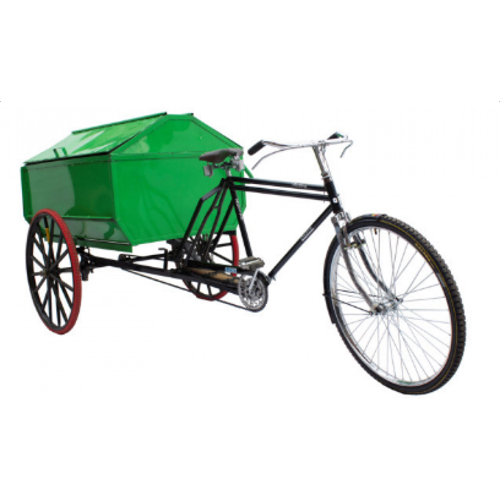
18 CFT MX Garbage Collector Rickshaw
Price 29999 INR / Unit
Minimum Order Quantity : 1 Unit
Size : Different Available
Battery : Lead Acid / LithiumIon, 100120 Ah
Body Type : Closed
Drive Type : Manual
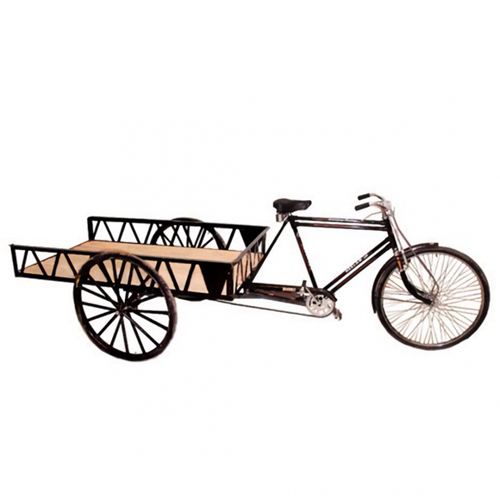
Rear Loading Rickshaw
Price 24999 INR / Unit
Minimum Order Quantity : 1 Unit
Size : Different Available
Battery : No
Body Type : Open
Drive Type : Manual
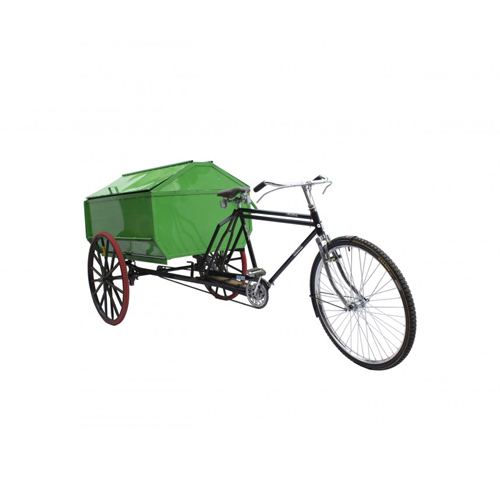
Garbage Loading Rickshaw
Price 29999 INR / Unit
Minimum Order Quantity : 1 Unit
Size : Different Available
Battery : No
Body Type : Closed
Drive Type : Manual
Kerosene Loading Rickshaw With Water Trolley
Minimum Order Quantity : 5 Units
Size : Different Available
Battery : No
Body Type : Open
Drive Type : Manual

Developed and Managed by Infocom Network Private Limited.

